Tightening the Belt on Take-out
In a previous post, Mindful Money Matters on 1/9/2026, I discussed a variety of ways to reign in expenses in the new year and provided many resources. In that post, I also briefly addressed becoming aware of how much money we are spending on take-out and fast food. We often feed our family in this way when our time is limited. Work schedules and children’s activities tend to dictate a hectic pace. As promised, I am circling back with some suggestions for reducing our reliance on fast food and strategies for having more home-made, quick and easy options for feeding the family. She also rises while it is yet night, And provides food for her household, And a portion for her maidservants. (Proverbs 31:15) In the following verse, the Apostle Paul emphasizes that caring for one’s family, especially in providing necessities, is a basic Christian responsibility. But if anyone does not provide for his own, and especially for those of his household, he has denied the faith and is worse than an unbeliever. (1 Timothy 5:8) The Bible also dictates that we are responsible managers of God-given blessings. There is desirable treasure, And oil in the dwelling of the wise, But a foolish man squanders it. (Proverbs 21:20) Wise people are good stewards, saving resources like "choice food and oil," while foolish people squander everything on immediate pleasure. The following provides suggestions for being good stewards of our money and still feeding our families well.
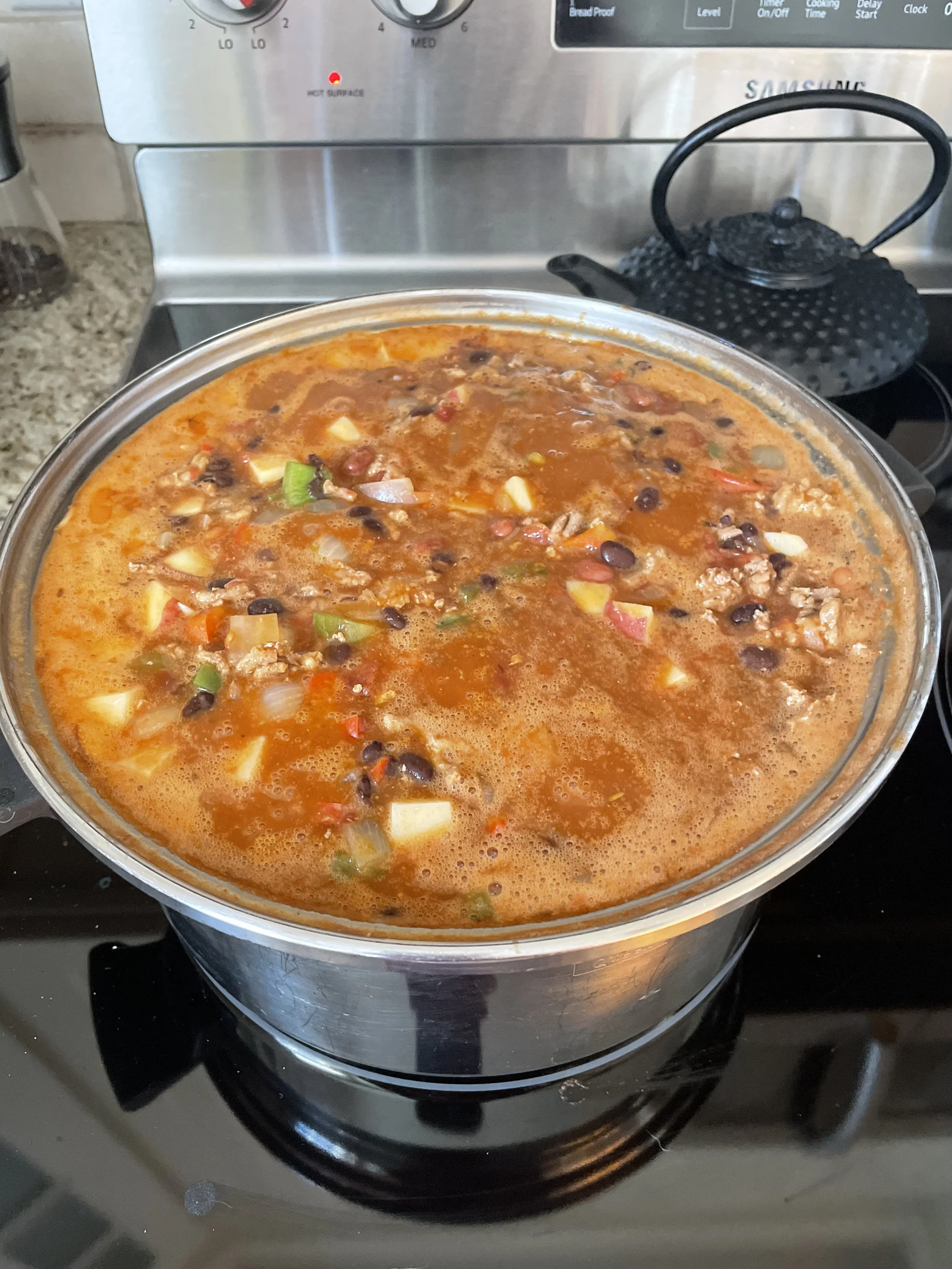
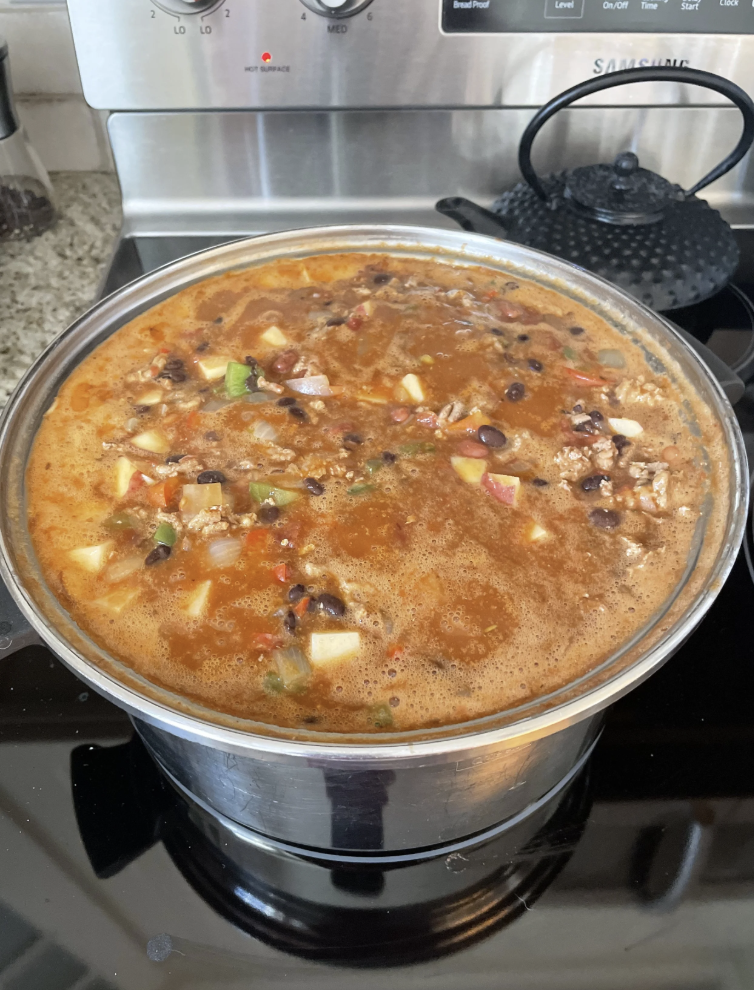
Diane’s Chili
In a previous post, Mindful Money Matters on 1/9/2026, I discussed a variety of ways to reign in expenses in the new year and provided many resources. In that post, I also briefly addressed becoming aware of how much money we are spending on take-out and fast food. We often feed our family in this way when our time is limited. Work schedules and children’s activities tend to dictate a hectic pace. As promised, I am circling back with some suggestions for reducing our reliance on fast food and strategies for having more home-made, quick and easy options for feeding the family. She also rises while it is yet night, And provides food for her household, And a portion for her maidservants. (Proverbs 31:15) In the following verse, the Apostle Paul emphasizes that caring for one’s family, especially in providing necessities, is a basic Christian responsibility. But if anyone does not provide for his own, and especially for those of his household, he has denied the faith and is worse than an unbeliever. (1 Timothy 5:8) The Bible also dictates that we are responsible managers of God-given blessings. There is desirable treasure, And oil in the dwelling of the wise, But a foolish man squanders it. (Proverbs 21:20) Wise people are good stewards, saving resources like "choice food and oil," while foolish people squander everything on immediate pleasure. The following provides suggestions for being good stewards of our money and still feeding our families well.
Keeping premade meals in the freezer is probably one of the best ways to combat the take-out issue. Some foods that freeze well are soups, stews, meatloaf, and chili. I also like to keep things like frittatas and muffins for breakfast on the go. The easiest way to start is to make extra when you do cook. Package for the freezer in ways that will defrost more easily and take up minimal space. Individual portions allow for flexibility. You can take out only as many as you need at that time. Also, individual portions defrost more easily and can be manipulated into where there is room in your freezer. To help with defrosting, prepare ahead and put in the refrigerator the night before. These Rubbermaid containers are my favorite for this purpose. They stack well, are BPA free, leakproof, and dishwasher, microwave and freezer safe. Other foods, you can just wrap in plastic wrap and they take even less space in the freezer. This works well for slices of meatloaf and squares of sheet pan quesadillas (recipe to follow).
Having parts of meals prepared ahead of time and stashed in the freezer is another strategy that works well. I always have grilled chicken in my freezer. Whenever chicken breasts are on sale at the grocery store, I stock up. Breasts can be pounded out or sliced into thinner pieces. I marinate in Italian dressing and cook on the grill. After grilling, slice the chicken into strips, freeze on a foil or waxed paper lined cookie sheet (so pieces don’t freeze together), then place in a zip-locked bag. You can take out the amount of chicken you need, easily defrost, and throw together a chicken caesar salad or chicken fajitas. Consider other things that you could have already cooked off and ready to go like sausage or hamburger for quick and easy recipes. A few more tips: Consider trying other grains like quinoa or barley. They freeze better than pasta. If freezing pasta, always add a little water before reheating. Limit the number of bulky boxes of processed foods, like frozen pizzas that take up a lot of room in your freezer. Keep veggies in your freezer that come in microwavable bags for easy pairing with meatloaf, etc.
I am including my recipe for chili as well as links to a number of other recipes that I like to make and have in my freezer.
Diane’s Chili
1lb ground turkey
1(10.75oz) can Condensed Tomato Soup
1(14.5oz) can Petite Diced Tomatoes
1(15.25oz) can Pinto Beans
1(15.25oz) can Black Beans
1 medium yellow onion chopped
1 large green pepper chopped
2 medium potatoes diced (optional)
1tsp Mexican Seasoning
1/2tsp Chili Powder
1/2tsp Italian Seasoning
1/2tsp sugar
Salt (to taste)
1) In large pot, brown and crumble ground turkey.
2) Add both cans of tomatoes and both cans of beans. Cook on medium heat stirring frequently.
3) Chop onion and green pepper and add to pot. Continue to cook on medium heat.
4) Dice potatoes into small cubes and add to pot. (Potatoes are optional, I like for additional texture and increased yield)
5) Add Mexican seasoning, chili powder, Italian seasoning, sugar, and salt. All seasonings can be adjusted to taste.
6) Cook on medium heat, stirring frequently until pot boils well and vegetables start to soften.
7) Turn to simmer and put lid on pot tilted, leaving a small opening. Cook for 40 minutes, stirring occasionally.
Other Recipes:
Do you have any recipes that you like to make ahead and freeze? Please share.

Mindful Money Matters
As much as we dislike to think on these matters, now is the best time to set some financial goals. Whether you wish to get out of debt or save for retirement, it is essential to take an intentional approach. Consider your daily behaviors; staying present and mindful, not acting out of habit or lack of impulse control. Your spending behaviors must align with your long term goals. Prioritizing your financial goals will also have the added benefit of peace-of-mind. It is important to create a written spending plan. I have heard it recommended to use the 50-30-20 rule. Spend 50 percent of your income on necessities, 30 percent on wants, and 20 percent on savings and debt reduction. Depending on your income, age, values, and specific goals, you may need to adjust these numbers a little more conservatively. And of utmost importance, be clear on what is a want and what is a true need.

As much as we dislike to think on these matters, now is the best time to set some financial goals. Whether you wish to get out of debt or save for retirement, it is essential to take an intentional approach. Consider your daily behaviors; staying present and mindful, not acting out of habit or lack of impulse control. Your spending behaviors must align with your long term goals. Prioritizing your financial goals will also have the added benefit of peace-of-mind. It is important to create a written spending plan. I have heard it recommended to use the 50-30-20 rule. Spend 50 percent of your income on necessities, 30 percent on wants, and 20 percent on savings and debt reduction. Depending on your income, age, values, and specific goals, you may need to adjust these numbers a little more conservatively. And of utmost importance, be clear on what is a want and what is a true need.
Being in debt is an unpleasant place to be, especially if you are carrying large balances on your credit cards. According to TransUnion, one of the largest credit reporting agencies in the U.S., average credit card debt per person in September 2025 was $6,523 and the average interest rate was 22.83 percent. Calculated on Greenpath, if this is your debt and interest rate, and you only make the minimum payment, it would take nearly 14 years to pay it off and cost you double. While credit card debt is considered short-term debt, it can start to feel like an eternity. The rich rule over the poor, and the borrower is slave to the lender. (Proverbs 22:7 NIV) If at all possible, pay off your credit card balances every month. This may seem impossible now, but is achievable with systematic, mindful practices and the right tools.
Most people, it seems, have moved away from paying with cash. We just throw everything on our cards. This can be a good thing if you have cards with good rewards programs, but again, this only works to your benefit if you pay the balances every month. I have all of my accounts set up to pay the full amount automatically every month, however, this only works if you have a good cushion or overdraft protection. Also, most accounts of all types have gone paperless. When your statement came in the mail, there was the possibility that you would look it over. Having to log-in to access it online may make that less likely. Make a habit of checking your bank account and credit card statements regularly. In this way, you can identify patterns and bad habits or even mistakes and identity theft. Seeing your daily $6+ Starbuck’s coffee and frequent stops for fast food can add up very quickly. (Stay tuned for an upcoming post with tips for feeding yourself and your family when time is at a minimum.)
It is very easy to forget about a myriad of subscriptions that you’ve signed up for over time and may not even use anymore. Checking your statements can bring these to your attention and make a quick, easy way to make budget cuts. I like to sign up for streaming services or educational services when companies offer special pricing. I don’t like when I forget to cancel them and wind up paying full price. Be sure to put these things in your calendar or make reminders on your phone so you cancel them before the renewal date. There are also many budgeting apps, like Rocket Money, that now identify subscriptions for you that you may have forgotten about. The down side of these apps is that they usually have a monthly fee and you need to share your account information on them. If you think you may find an app beneficial for your financial planning goals, you may want to check out this article, 7 Best Subscription Manager Apps to Track and Cancel Recurring Charges [2026 Guide].The author does recommend a few free options: Empower or Rocket Money’s free version.
Here are a few other beneficial resources. The U.S. Securities and Exchange Commission’s investor.gov offers many financial tools and calculators, investing information, avoiding scams, and much more. Free financial online courses and a free financial hotline can be accessed at savvyladies.org.
Biblical principles also guide how we should be good stewards of the resources God allows us to be managers over. We need to be disciplined and responsible, living within our means, mindfully overseeing what God has provided for us. The earth is the LORD’s, and everything in it. The world and all its people belong to him. (Psalm 24:1 NLT) We must also have a heart of gratitude and trust in the Lord. Command those who are rich in this present world not to be arrogant nor to put their hope in wealth, which is so uncertain, but to put their hope in God, who richly provides us with everything for our enjoyment. (1 Timothy 6:17 NIV) I welcome your comments, hearing what has worked well for you, and your successes.